If your air conditioner is struggling to start up, making a loud clicking or humming noise when it kicks on, or tripping the circuit breaker occasionally, you may have heard the term hard start kit come up. It’s a relatively simple and inexpensive fix that can extend the life of your compressor and prevent bigger problems down the road. Our AC repair team at Southern Air installs hard start kits regularly, and here’s what you need to know about them.
What Is a Hard Start Kit?
A hard start kit is a small electrical component added to your air conditioning system to help the compressor start more easily.
It typically consists of a start capacitor and a potential relay (or in some versions, a solid-state relay). Together, these components provide an extra boost of electrical current at the moment of startup, then disconnect once the compressor is running.
The result is a faster, smoother startup that puts significantly less strain on the compressor motor.
Why Do Compressors Struggle to Start?
Starting a compressor is the hardest thing your AC system does. At startup, the compressor motor has to overcome the static pressure in the refrigerant lines and get a heavy motor spinning from a complete stop. This requires a large surge of current.
Over time, as a system ages, the run capacitor that assists with startup weakens. Voltage fluctuations, long refrigerant line sets, and high ambient temperatures all add to the difficulty. The compressor starts working harder and harder just to get going.
A hard start kit steps in to supplement the run capacitor and make that initial surge easier on the system.
Signs Your AC May Need a Hard Start Kit
The most common sign is a compressor that takes a moment to start, sometimes accompanied by a hum or a hard clunk before the outdoor unit gets going. Some homeowners describe it as a struggling or grinding sound at startup.
Lights dimming briefly when the AC kicks on can also indicate that the startup draw is pulling more current than it should.
Frequent tripped breakers when the system starts are another signal, as is a system that has already had a capacitor replaced but still shows startup difficulties.
If you’re noticing any of these, it’s worth having a technician take a look. Our AC tune-up service includes a full electrical component check, and we’ll flag startup issues during that visit.
What Are the Benefits of Installing One?
The primary benefit is compressor protection. The compressor is the most expensive component in your AC system, often costing more to replace than many homeowners expect. Anything that reduces wear on it is worth considering.
Hard start kits also shorten the time between when the thermostat calls for cooling and when the system actually starts producing it. In Ruston summers, that faster response time is a real comfort advantage.
They can also help in homes with lower voltage supply, long refrigerant line runs, or systems that sit on a shared electrical circuit with other appliances.
Does Every AC Need One?
Not every system needs a hard start kit. Newer systems with healthy run capacitors and good electrical supply typically start without any issues.
Hard start kits are most beneficial for systems that are five or more years old, systems showing startup symptoms, systems in areas with frequent voltage fluctuations, and as a preventive measure on higher-end compressors where the cost of replacement is significant.
A technician can assess your system’s startup performance and tell you honestly whether one would be beneficial.
How Is It Installed?
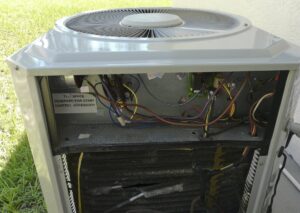
Installation is straightforward and typically takes under an hour. The kit is wired into the compressor circuit in the outdoor unit. No major disassembly is required.
It’s a low-cost, low-disruption service that can pay for itself many times over if it prevents a compressor failure.
Talk to Our Team
If your AC is showing startup trouble or you want to be proactive about compressor health, Southern Air is ready to help. We serve Ruston and the surrounding area with honest diagnostics and quality repairs. Call us or schedule through our AC repair page.